Myths of Transformation into Flowers, Trees, or Plants
Transformation myths (metamorphosis) are especially prominent in Greco-Roman mythology (via Ovid's Metamorphoses), where gods punish or reward mortals by turning them into plants, often flowers or trees symbolizing their fate (e.g., beauty, grief, or escape).
- Daphne → Laurel tree (bay laurel): Fleeing Apollo's pursuit, the nymph Daphne prays for escape and is transformed into a laurel tree. Apollo declares it sacred.
- Narcissus → Narcissus flower (daffodil): The vain youth, cursed to love his reflection, pines away and becomes the flower that bows its head.
- Hyacinthus → Hyacinth flower: Killed accidentally by a discus thrown by Apollo (jealous wind god Zephyrus involved), his blood sprouts the flower marked with "AI AI" (lament).
- Adonis → Anemone (windflower): Aphrodite's lover dies from a boar wound; his blood creates the fragile red anemone.
- Crocus → Crocus flower (saffron): Mortal youth loved by Hermes dies tragically; transformed into the flower.
- Cyparissus → Cypress tree: A boy mourns his pet stag's death so deeply he becomes the mourning cypress.
- Philyra → Linden tree: Mother of centaur Chiron, ashamed of her offspring, turned into a linden.
- Myrrha/Smyrna → Myrrh tree: Incestuously conceives Adonis; transformed into the weeping tree whose tears are myrrh resin.
- Lotus: Central in Hindu/Buddhist myths—rises pure from mud, symbolizing enlightenment (no direct transformation, but associated with gods like Lakshmi or Brahma seated on it).
- Bamboo: In Japanese folklore, Princess Kaguya (Tale of the Bamboo Cutter) is found inside a bamboo stalk (born from plant, reverse transformation).
- Peach: Momotaro (Japanese hero) born from a peach.
- Xiang River Goddesses (Chinese): Ehuang and Nüying, grieving consorts of Shun, weep tears that spot bamboo (creating mottled "spotted bamboo").
- Baobab tree: Various legends explain its upside-down appearance—gods planted it inverted due to its pride or a hyena's mistake.
- No widespread human-to-plant myths, but plants symbolize spirits or origins (e.g., yam in Kenyan myth tied to loss of immortality).
- Some tribes trace origins to ash trees (e.g., Penobscot from ash).
- Corn Mother (Selu in Cherokee) sacrifices herself to create corn.
- Orion: Hunter placed in sky (pursues Pleiades eternally).
- Pleiades: Seven sisters (daughters of Atlas) turned into stars to escape Orion or grief.
- Andromeda, Perseus, Cassiopeia, Cepheus: Family from Perseus myth placed as constellations.
- Callisto → Ursa Major (Great Bear): Zeus turns her into a bear; Hera places her in sky.
- Ariadne's Crown → Corona Borealis: Dionysus places her wedding crown in stars.
While mainstream Islamic teachings prohibit alcohol (khamr, intoxicants), certain Muslim sects and mystical traditions have historically permitted, incorporated, or symbolically celebrated its use, often in ritual, poetic, or antinomian (rule-breaking) contexts.Sufi Mystics and PoetryWine (may or khamr) is a central metaphor in Persian and Arabic Sufi poetry for divine love, spiritual intoxication, and ecstasy. Poets like Omar Khayyam, Hafez, Rumi, and Abu Nuwas extensively praised wine, sometimes literally (reflecting actual consumption) and always symbolically for union with the divine. This tradition influenced many Sufi orders, where "drunkenness" represents losing the self in God.Qalandariyya (Qalandars)These wandering, antinomian dervishes (emerging around the 11th–13th centuries) deliberately flouted Islamic norms to transcend ego and societal hypocrisy. They often consumed alcohol (along with hashish), danced, and engaged in other taboo acts as part of their spiritual path. Qalandars influenced later Sufi poetry and groups, portraying taverns and wine as symbols (and sometimes realities) of divine rebellion.Bektashi OrderThis Sufi tariqa (order), linked to the Janissaries in the Ottoman Empire, incorporates rakı (an anise-flavored spirit, called "dem") in rituals and gatherings (cem ceremonies). It is used sacramentally or socially, symbolizing unity and divine love (tied to the "Assembly of the Forty"). Bektashis view moderate consumption as permissible, not haram.AlevisClosely related to Bektashis (often overlapping), Alevis use alcohol (rakı or wine, called dem, bade, or dolu) in cem rituals and communal meals. It represents sharing, blessing, and spiritual elevation, often consumed in measured, symbolic ways during worship. Not all Alevi groups emphasize it equally, but it is a key element in many traditions.Alawites (Nusayris)This esoteric Shia offshoot permits alcohol consumption, including wine in secretive rituals resembling a Mass (consecration of bread and wine). Wine holds sacramental significance, and general drinking is not prohibited, distinguishing them from orthodox Islam.Historically, alcohol was widely consumed among Muslim elites (e.g., Umayyad, Abbasid, and Ottoman courts) despite prohibitions, often justified culturally or privately. Some early Hanafi interpretations allowed non-grape/date intoxicants in moderation, though this narrowed over time.These practices reflect diversity in Islamic interpretation, especially in mystical (Sufi) or ghulat (extremist/esoteric) branches, where alcohol transcends literal prohibition to symbolize transcendence or ritual communion. Mainstream Sunni and Twelver Shia views remain strictly prohibitive.
Advanced Order of Free Gardeners Initiation Ritual (stichtingargus.nl)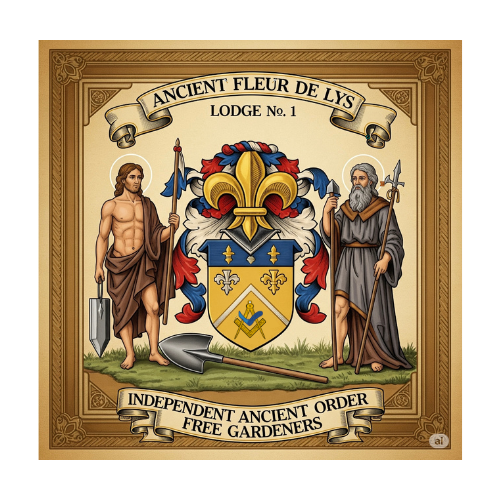
Advanced Order of Free Gardeners Initiation Ritual (stichtingargus.nl)
Comments
Post a Comment